
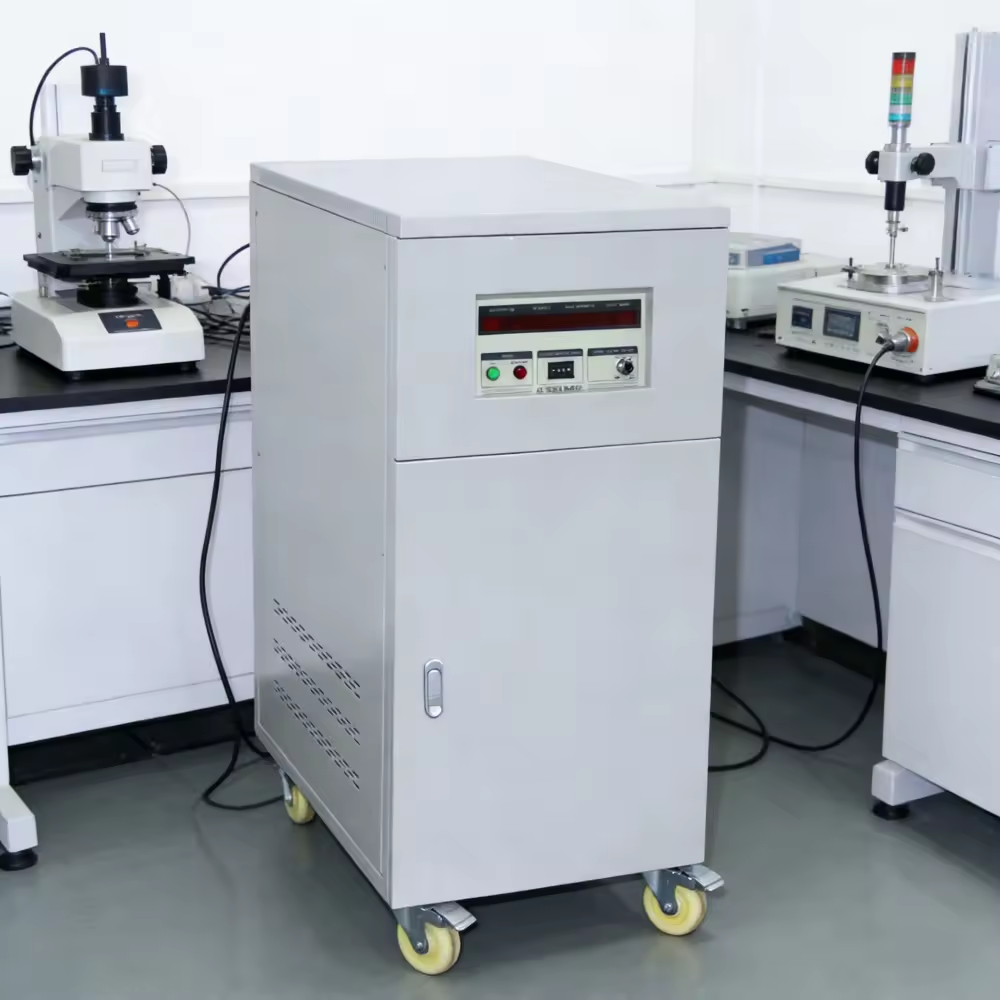
Solid-state frequency conversion technology is revolutionizing power electronics by replacing mechanical rotary converters with ultra-efficient, semiconductor-driven energy systems. Utilizing wide-bandgap semiconductors like silicon carbide and gallium nitride allows modern converters to switch at higher frequencies while drastically cutting thermal energy losses. This technological leap provides industrial manufacturing, aerospace, and renewable grid systems with unprecedented power density, instant response times, and near-zero ongoing maintenance requirements.
Core Breakthroughs Transforming Energy Conversion
Pushing the boundaries of solid-state engineering unlocks specific operational advantages across high-demand industrial sectors.
- Near-Zero Harmonic Distortion: Advanced active front-end filtering cleans power output, protecting sensitive laboratory and medical instrumentation.
- Bi-Directional Power Flow: Enabling seamless energy recovery from decelerating heavy machinery and feeding excess power back into microgrids.
- Solid-State Thermal Management: Utilizing advanced vapor-chamber cooling and liquid cold-plates to eliminate noisy, mechanical cooling fans.
- Grid-Forming Capabilities: Empowering localized renewable energy microgrids to establish stable frequency baselines independently of main utility grids.
The Wide-Bandgap Semiconductor Revolution
Integrating silicon carbide (SiC) and gallium nitride (GaN) transistors represents the single largest advancement in modern frequency converter design. Traditional silicon-based insulated-gate bipolar transistors (IGBTs) hit severe physical limits regarding switching speed and heat dissipation. Wide-bandgap materials operate at significantly higher voltages, temperatures, and switching frequencies without breaking down, unlocking massive gains in operational efficiency.
Operating at elevated frequencies allows internal components like inductors, transformers, and capacitors to shrink dramatically in physical size. Smaller internal magnetics mean next-generation solid-state converters occupy a fraction of the floor space required by legacy power systems. Reduced physical footprints lower installation overhead while enabling direct integration into space-constrained environments like aircraft bays and marine engine rooms.
Artificial Intelligence and Predictive Power Analytics
Embedding artificial intelligence algorithms directly into converter control boards transforms static power conversion into dynamic grid optimization. Traditional converters respond reactively to load shifts, often introducing minor lag times or voltage dips during severe power fluctuations. AI-driven predictive control models analyze micro-second load trends to anticipate power shifts before they disrupt connected machinery.
Continuous machine learning algorithms monitor internal thermal patterns, component vibrations, and harmonic distortion rates in real time. Detecting subtle operational degradation allows the converter to alert facility managers to impending component wear long before an actual system outage occurs. This shift from scheduled routine maintenance to data-driven predictive maintenance eliminates costly unplanned downtime across critical industrial applications.
High-Density Modular Architectures and Hot-Swappable Reliability
Adopting modular, hot-swappable power architectures ensures continuous operation for critical infrastructure that cannot tolerate a single second of power loss. Legacy frequency conversion systems relied on centralized, monolithic designs where a single internal component failure brought the entire power output down. Next-generation systems distribute conversion loads across redundant power modules operating in parallel.
If an individual power module encounters a fault, the intelligent control system isolates the damaged unit instantly while redistributing the electrical load across remaining operational modules. Maintenance technicians can safely remove and replace the faulty module while the system continues running under full load. This fault-tolerant design achieves ultra-high availability rates required by data centers, hospitals, and automated manufacturing plants.
Microgrid Integration and Renewable Resilience
Solid-state converters play a direct role in stabilizing decentralized energy networks powered by solar, wind, and battery storage systems. Renewable generation sources produce variable direct current or fluctuating alternating current, requiring precise, rapid frequency stabilization before feeding into commercial utility grids. Advanced solid-state systems balance these turbulent power inputs seamlessly, maintaining exact phase angles and frequency stability.
Incorporating grid-forming inverter technology enables frequency converters to act as synthetic inertia sources for microgrids. When main power grids experience sudden voltage drops or blackout conditions, solid-state converters step in instantly to maintain stable voltage baselines. This rapid stabilization capability protects delicate industrial equipment from power surges and brownout damage during grid instability events.
Conclusion
Visicomm Industries solid state frequency converters represents a definitive leap forward in power management, energy efficiency, and operational reliability. Transitioning to wide-bandgap semiconductors, AI-driven predictive analytics, and modular architectures ensures that industrial operations stay resilient against shifting energy demands. Investing in advanced solid-state systems lowers operational costs, eliminates single points of failure, and provides the clean, high-density power required for modern industrial infrastructure.